Introduction to AI Threat Detection
AI threat detection is a revolutionary technology that is transforming the cybersecurity landscape. By leveraging machine learning algorithms, this innovative approach enables organizations to identify and prevent threats in real-time, significantly enhancing their overall security posture. The traditional methods of threat detection, which rely on manual analysis and rule-based systems, are no longer sufficient to keep pace with the evolving nature of cyber threats.
The importance of AI threat detection cannot be overstated. As cyber threats become increasingly sophisticated and frequent, the need for a proactive and adaptive security approach has never been more pressing. AI-powered threat detection systems can analyze vast amounts of data, identify patterns, and detect anomalies, allowing organizations to respond quickly and effectively to potential security incidents. By harnessing the power of AI, businesses can stay one step ahead of cyber threats and protect their sensitive data and systems from compromise.
How AI Threat Detection Works
AI threat detection is a sophisticated cybersecurity solution that leverages the power of data analysis and machine learning algorithms to identify potential threats in real-time. At its core, AI threat detection involves the collection and analysis of vast amounts of data from various sources, including network traffic, system logs, and endpoint devices. This data is then fed into machine learning algorithms that are trained to recognize patterns and anomalies that may indicate a potential threat.
These machine learning algorithms are capable of analyzing vast amounts of data at incredible speeds, allowing them to detect threats that may have gone unnoticed by traditional security systems. The algorithms are also constantly learning and adapting to new threats, enabling them to stay ahead of emerging threats and improve their detection capabilities over time. Additionally, AI threat detection systems can analyze data from multiple sources, providing a comprehensive view of the security landscape and enabling more accurate threat detection.
The AI-powered system can also identify potential vulnerabilities in the system, allowing for proactive measures to be taken to prevent attacks. Furthermore, AI threat detection can help to reduce the number of false positives, which can be a significant problem in traditional security systems. By providing more accurate and reliable threat detection, AI-powered systems can help organizations to improve their overall cybersecurity posture and reduce the risk of a successful attack.
Benefits of AI Threat Detection in Cloud Security
AI threat detection has revolutionized the field of cloud security by providing numerous benefits, including improved incident response and reduced false positives. One of the primary advantages of AI-powered threat detection is its ability to analyze vast amounts of data in real-time, enabling swift identification and mitigation of potential threats. This capability is particularly crucial in cloud environments, where the volume and complexity of data can be overwhelming for traditional security systems.
The integration of AI in cloud security also leads to a significant reduction in false positives, which can be costly and time-consuming to investigate. By leveraging machine learning algorithms and natural language processing, AI-powered systems can distinguish between legitimate and malicious activity, minimizing the number of false alarms and allowing security teams to focus on genuine threats. Furthermore, AI-driven threat detection can help identify and respond to incidents more efficiently, reducing the mean time to detect (MTTD) and mean time to respond (MTTR) metrics.
For organizations looking to enhance their cloud security posture, understanding the benefits of AI threat detection is essential. To learn more about the advantages of AI in cloud security, readers can explore What Are The Benefits Of Using AI In Cloud Security? and discover how AI-powered solutions can help protect their cloud infrastructure from evolving cyber threats. By embracing AI-driven threat detection, organizations can strengthen their cloud security and reduce the risk of data breaches and other cyber attacks.
In addition to improved incident response and reduced false positives, AI threat detection in cloud security offers several other benefits. These include enhanced visibility into cloud-based assets and data, improved compliance with regulatory requirements, and the ability to detect and respond to threats in real-time. As the cloud continues to play an increasingly critical role in modern business operations, the importance of effective threat detection and response will only continue to grow. By leveraging the power of AI, organizations can stay ahead of emerging threats and protect their cloud infrastructure from even the most sophisticated attacks.
The Role of AI in Domain Monitoring and Threat Detection
Artificial intelligence (AI) plays a crucial role in domain monitoring and threat detection, enabling organizations to identify and prevent domain-related threats. By leveraging AI-powered tools, companies can monitor their domains in real-time, detecting potential security risks and preventing cyber attacks. AI algorithms can analyze vast amounts of data, identifying patterns and anomalies that may indicate malicious activity.
The importance of AI in domain monitoring cannot be overstated, as it provides a proactive approach to cybersecurity. Rather than simply reacting to threats, AI-powered systems can predict and prevent them, safeguarding an organization’s digital assets. For more information on The Role of AI in Domain Monitoring: Safeguarding Your Digital Assets from Modern Cyber Threats, it is essential to understand the latest trends and technologies in this field.
AI-powered domain monitoring systems can detect a range of threats, including phishing attacks, domain spoofing, and typosquatting. These systems can also identify potential vulnerabilities in a domain’s configuration, allowing organizations to take corrective action before a threat occurs. By investing in AI-powered domain monitoring, companies can significantly reduce the risk of cyber attacks and protect their online presence.
AI-Powered Threat Detection in Action
AI-powered threat detection is being used in various industries to prevent cyber threats. For instance, in the finance sector, AI-powered systems can detect and prevent phishing attacks by analyzing patterns and anomalies in real-time. This enables organizations to respond quickly to potential threats, reducing the risk of data breaches and financial losses.
In another example, AI-powered threat detection is being used to protect against ransomware attacks. By analyzing network traffic and system behavior, AI-powered systems can identify potential ransomware attacks before they occur, allowing organizations to take proactive measures to prevent them. This not only reduces the risk of data loss but also minimizes downtime and associated costs.
To further enhance threat detection capabilities, organizations can leverage AI-Powered Domain Insights to gain visibility into domain-related threats. This can help identify potential security risks associated with domain names, such as typosquatting or domain spoofing, and enable organizations to take proactive measures to mitigate these threats.
These examples demonstrate the effectiveness of AI-powered threat detection in preventing cyber threats. By leveraging machine learning algorithms and real-time analytics, organizations can stay one step ahead of cyber threats and protect their sensitive data and systems. As the threat landscape continues to evolve, AI-powered threat detection will play an increasingly important role in revolutionizing cybersecurity.
Best Practices for Implementing AI Threat Detection
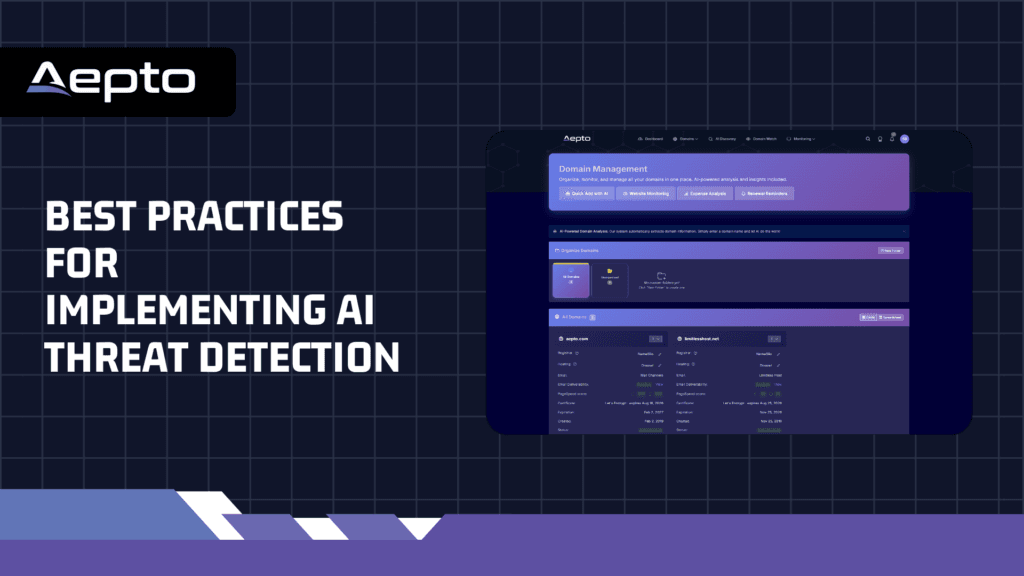
Implementing AI threat detection requires careful planning and integration to maximize its potential. To start, organizations should assess their existing security infrastructure and identify areas where AI-powered threat detection can enhance their defenses. This may involve integrating AI-driven solutions with existing security information and event management (SIEM) systems or other security tools. Best practices for integration include starting with a small pilot project to test and refine the AI system before scaling up to a larger deployment.
Optimization is also crucial to ensure the AI threat detection system is effective. This involves continuously updating and fine-tuning the system with new threat intelligence and anomaly data. Additionally, organizations should consider implementing AI-powered DNS protection to provide an extra layer of defense against cyber threats. By following these best practices, organizations can unlock the full potential of AI threat detection and significantly improve their cybersecurity posture.
Conclusion and Future of AI Threat Detection
In conclusion, AI threat detection has revolutionized the cybersecurity landscape by providing organizations with a proactive and effective way to identify and mitigate potential threats. By leveraging machine learning algorithms and real-time data analysis, AI-powered threat detection systems can detect and respond to threats at unprecedented speeds and accuracy. As the threat landscape continues to evolve, it is essential for organizations to stay ahead of the curve by adopting and investing in AI-powered threat detection solutions.
Looking ahead, emerging trends and technologies such as deep learning, natural language processing, and edge computing are expected to further enhance the capabilities of web hosting threat detection. As these technologies continue to mature, we can expect to see even more advanced and sophisticated threat detection systems that can detect and respond to threats in real-time. By embracing these emerging trends and technologies, organizations can ensure they remain protected against the ever-evolving threat landscape and stay one step ahead of potential threats.
Read More: