The Complete Guide to AI Domain Monitoring
Your domain is the foundation of your online presence. If something goes wrong with it — a DNS change, an expired registration, or a hosting outage — your website, email, and services can stop working instantly.
That’s why AI domain monitoring has become an essential practice for businesses, developers, and IT teams.
In this guide, we’ll explain what domain monitoring is, why it matters, and how modern tools use AI to detect problems before they cause downtime.
What Is Domain Monitoring?
Domain monitoring is the process of continuously tracking important aspects of a domain name to ensure everything is working correctly.
This usually includes monitoring things like:
DNS record changes
Domain expiration dates
Website uptime
SSL certificate status
Email configuration
Security changes
If any of these change unexpectedly, the monitoring system sends an alert so you can act quickly.
Without monitoring, issues can go unnoticed for hours or even days — leading to lost traffic, failed emails, or downtime.
Why Domain Monitoring Is Important
Domains connect many critical services together. If something breaks at the domain level, multiple systems can fail at once.
Here are some common risks domain monitoring helps prevent.
1. DNS Misconfiguration
DNS records control where your website and email point.
A simple mistake in DNS settings can:
break your website
stop email delivery
disconnect APIs or services
Monitoring DNS records helps detect changes immediately.
2. Domain Expiration
If a domain expires, everything attached to it stops working.
This can cause:
website outages
email failures
lost customer trust
Domain monitoring tools track renewal dates and send alerts before expiration.
3. Website Downtime
Hosting issues can cause websites to go offline unexpectedly.
Monitoring uptime ensures you’re notified immediately if your website becomes unavailable.
Some advanced tools also detect slow response patterns before downtime happens.
4. Security Risks
Unauthorized DNS changes can redirect traffic to malicious servers.
This is known as DNS hijacking and can lead to phishing attacks or stolen data.
Monitoring tools detect unusual changes and alert you instantly.
Types of Domain Monitoring
Modern domain monitoring systems usually track several different components.
DNS Monitoring
DNS monitoring tracks changes to important records such as:
A records
MX records
CNAME records
TXT records
If any record changes unexpectedly, alerts are triggered.
This helps detect configuration mistakes or security issues quickly.
Domain Expiry Monitoring
This monitors domain registration dates and renewal deadlines.
Alerts can be sent:
weeks before expiration
days before expiration
on the day of expiration
This prevents domains from accidentally expiring.
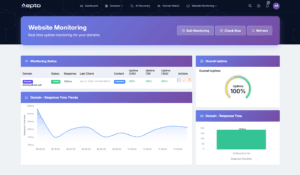
Website Uptime Monitoring
Uptime monitoring checks whether your website is reachable.
Typical checks include:
HTTP availability
response status
server response time
If your site becomes unavailable, alerts are triggered immediately.
SSL Certificate Monitoring
SSL certificates secure your website connection.
Monitoring ensures:
certificates do not expire
certificates remain valid
HTTPS remains active
Expired SSL certificates can cause browsers to block access to your site.
Email Health Monitoring
Email services rely heavily on DNS settings.
Monitoring email configurations ensures:
MX records remain correct
SPF and DKIM records stay valid
mail delivery continues working
This prevents silent email failures.
What Is AI Domain Monitoring?
Traditional monitoring tools rely on simple checks.
AI domain monitoring goes a step further by analyzing patterns and detecting unusual behavior automatically.
Instead of just checking if something changed, AI systems can identify:
abnormal DNS changes
unusual uptime patterns
slow server responses before outages
potential security risks
This allows problems to be detected before they become critical incidents.
AI can also help prioritize alerts so teams focus on the most important issues first.
How AI Improves Domain Monitoring
AI-powered monitoring platforms analyze multiple signals together.
For example, an AI system might detect that:
DNS records changed unexpectedly
response time increased significantly
uptime checks show instability
Instead of treating these separately, the system identifies a pattern that may indicate an upcoming outage.
This predictive capability helps teams act earlier and reduce downtime.
Best Practices for Domain Monitoring
To keep your domains safe and reliable, consider following these practices.
Monitor Multiple Components
A domain affects many services. Monitoring should include:
DNS records
uptime
expiration dates
SSL certificates
email configuration
This provides complete visibility.
Use Automated Alerts
Manual checks are unreliable.
Automated monitoring tools ensure alerts are sent instantly when something changes.
Alerts can be delivered through:
email
messaging platforms
dashboards
Track DNS Changes
DNS changes are one of the most common causes of outages.
Monitoring systems should track record updates and alert you immediately.
Monitor Response Time
Websites often become slow before they go down.
Monitoring response time patterns can help detect issues early.
AI Domain Monitoring with Aepto
Modern infrastructure requires smarter monitoring solutions.
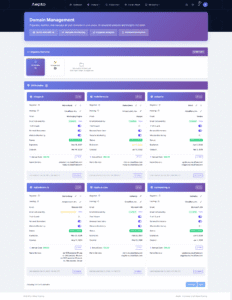
Aepto provides an AI-powered platform designed to monitor domains, DNS, hosting, and email systems from a centralized dashboard.
With Aepto, you can:
detect DNS changes instantly
monitor domain expiration dates
track website uptime and performance
receive alerts for security risks
analyze domain health with AI insights
The platform helps teams stay ahead of potential problems before they impact users.
Final Thoughts
Domain monitoring is an essential part of maintaining a reliable online presence.
Without monitoring, problems like DNS errors, expired domains, or hosting outages can go unnoticed until they start affecting users.
Modern solutions are now moving toward AI-powered domain monitoring, which analyzes patterns and detects issues earlier than traditional tools.
By combining DNS monitoring, uptime tracking, expiry alerts, and intelligent analysis, businesses can protect their infrastructure and reduce downtime.